Could Short Product Videos Be a Second Income From Home? One Writer’s Week-Long Diary
Brands pay everyday people to film short, honest videos about their products. I spent a week finding out what that looks like from a kitchen table, how the sign-up works, and whether it is a smart way to earn extra without a big following.
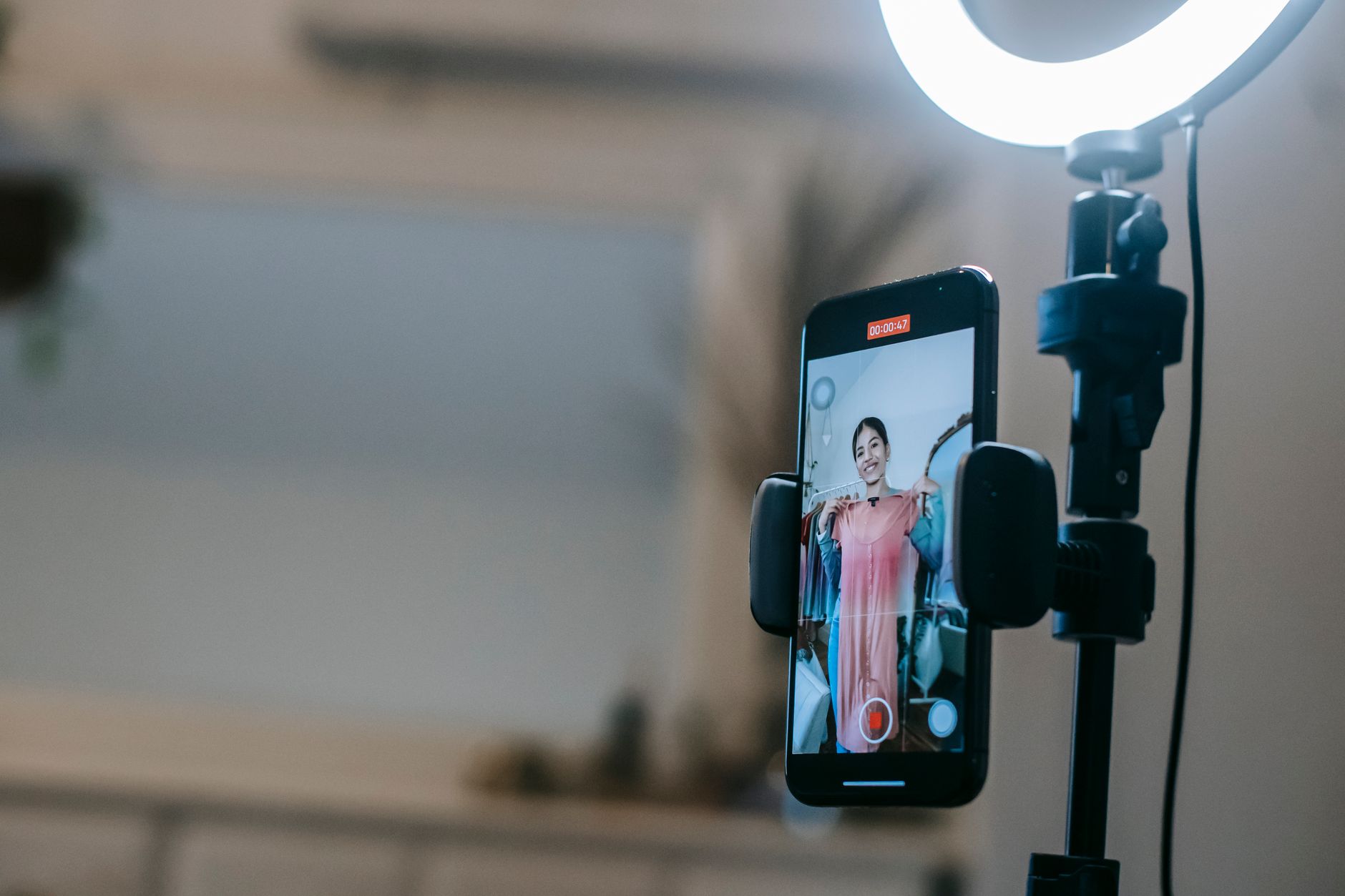
Day one: the cost of living, and why I went looking for extra income
Monday started with the energy bill. It was followed by a grocery receipt longer than I remembered agreeing to, and then by the usual ritual: opening the budget spreadsheet and hunting for a line to trim. There wasn’t one left. The cost of living had crept up, the bills had crept up with it, and saving harder felt like running on the spot.
That is the sort of week in which a headline about extra income from home gets a click. I clicked, and instead of closing the tab I set myself a small assignment: spend one week looking properly at one specific idea, filming short product videos on a phone for brands, and write down what I found, including the dull parts. This is that diary.
I should say what it is not. It is not a plan to quit anything, and it is not a get-rich story. Think of it as an alternative to saving harder: a second income, however modest, that sits beside the main one and helps with the bills. Whether it suits you depends on your time, your comfort in front of a lens and your patience with feedback. This is one writer’s look, not a template for everyone.
What the work is: filming short product videos from home
Brands need short, natural-looking videos for their ads and social channels: unboxings, demos, honest first impressions. Increasingly they would rather get them from everyday people than from a studio. That kind of content is called UGC, short for user-generated content, and UGC platforms and agencies match creators with paid briefs.
Here is the job in one sentence. You film short product videos on your smartphone at home for brands that post paid briefs, upload them for approval, and are paid per project. A brief might ask for a demo, an unboxing or your first impressions in your own words. You follow it, film it, tidy it up and hand it in. It is freelance project work through the platform, paid per approved project, not a salaried job.
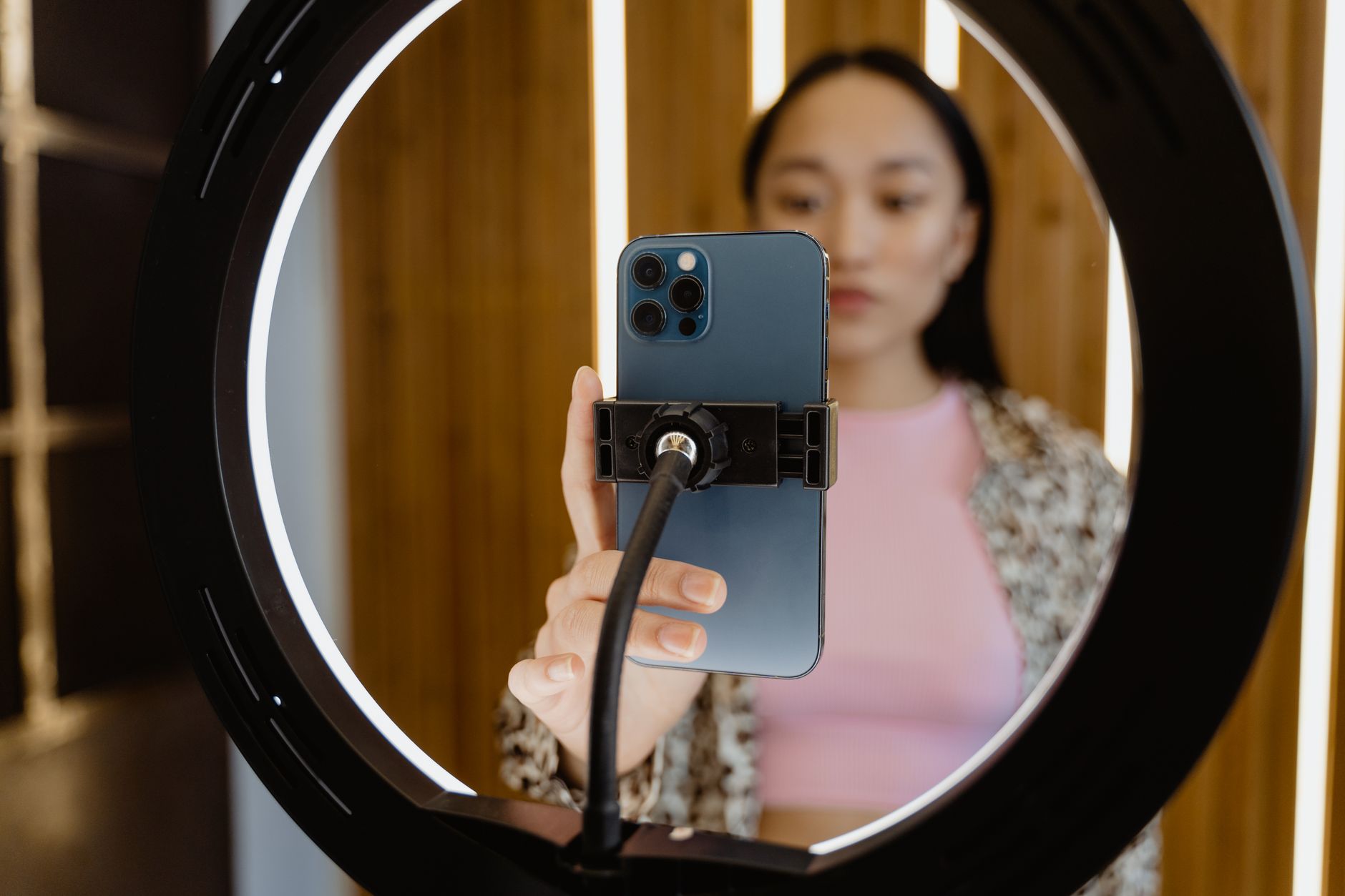
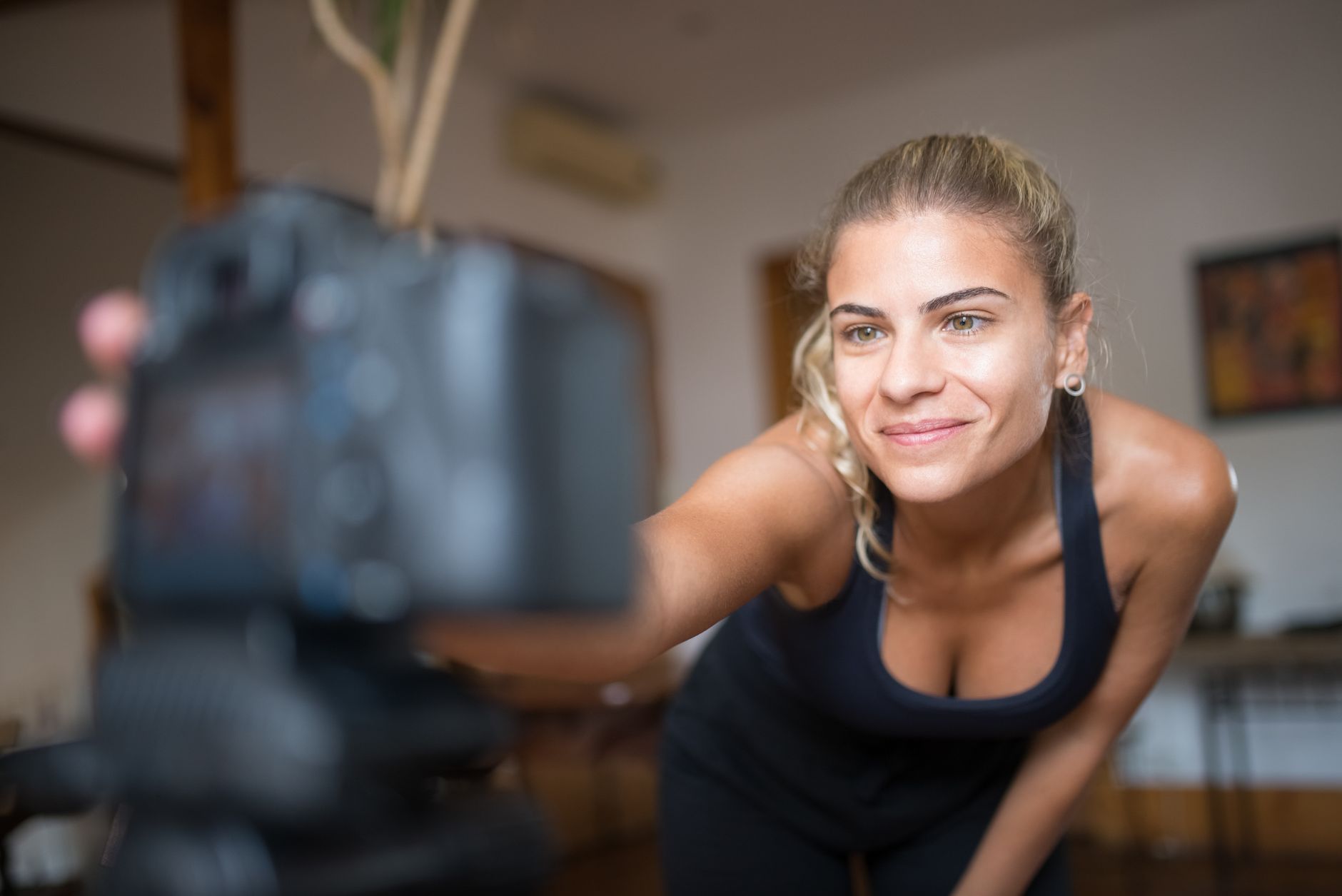
Nobody is asking for a cinematic reel, and a large following is not required. What the work asks for is comfort filming yourself, or a product, with a phone. If you can hold a phone steady near a window and talk to it the way you would talk to a friend, you have the core skill already. That is why I think of it as a service you can offer from home, something you can learn and get better at, rather than a job listing you wait to hear back about.
What Not Nice says about pay and how payouts work
I picked Not Nice for this diary because it explains its creator side plainly. It describes itself as a platform where creators and influencers find paid collaborations with brands, and it says more than 10,000 creators and influencers are on the platform.
The pay is the part I read twice. Pay is set per campaign: the brand names a budget, and the creator can accept it or propose their own price. There is no hourly rate to compare and no monthly figure to plan around; every campaign stands on its own terms. The payout follows once the brand has accepted the content, and payout details have to be stored in the creator’s account. Not Nice also advertises international payouts, which matters because campaigns vary by brand and country.
On cost, Not Nice says there is no subscription and there are no fixed costs for creators, and that joining is free. For a first look at earning extra from home, that kept the experiment small: the main thing I would be spending was time.
Want to see the steps on Not Nice’s own page?
See how Not Nice worksDay two: the four steps, in order
Tuesday was sign-up day, or at least reading-about-sign-up day. Not Nice lists four steps, and I copied them into my notebook in order.
- Sign up and verifyCreate the creator account and verify it.
- Apply for campaignsPick open campaigns and apply. Brands state a budget.
- Create the contentFilm it from the brief the brand has written.
- Hand it in, get paidThe payout follows once the brand accepts it.
What struck me is step two. Creators apply to open campaigns; nobody is simply handed work. That changes the mood of the whole thing. It is closer to pitching for projects than to clocking in, and the budget is visible up front because brands state it. Step four is the other detail worth underlining: the money follows the brand’s acceptance, so following the brief closely is part of the job.
Beyond the four steps, Not Nice advertises a workspace for projects, personal support, a creator community and in-person workshops. I cannot tell you how any of those feel in use, because I am reporting what is listed rather than reviewing it. But a project workspace and a person to ask are what I would look for first when a task has a deadline and a brand waiting on the other end.

Day three: what you need before you apply
Wednesday was homework. Two things have to be in place: a creator profile with a bio and references that show the kind of content you make, and payout details saved in the account. The second is admin. The first took most of my afternoon.
A bio is easy to write badly; I wrote three and binned two. The references were harder. To have something to show, I filmed three practice clips of things already on my desk and shelves: a kettle, a notebook, a jar of hand cream. Each ran about thirty seconds. Hold it, show it, say one honest thing about it. The honest bit turned out to be the skill. It is very easy to sound like an advert and surprisingly hard to sound like a neighbour recommending something.
It is also worth deciding what you would actually enjoy filming. Kitchen gadgets, clothes, stationery, fitness kit: campaigns vary by brand and country, so the honest answer to “what would I be filming?” is that it depends on what is open.
Day four: the editing nobody mentions first
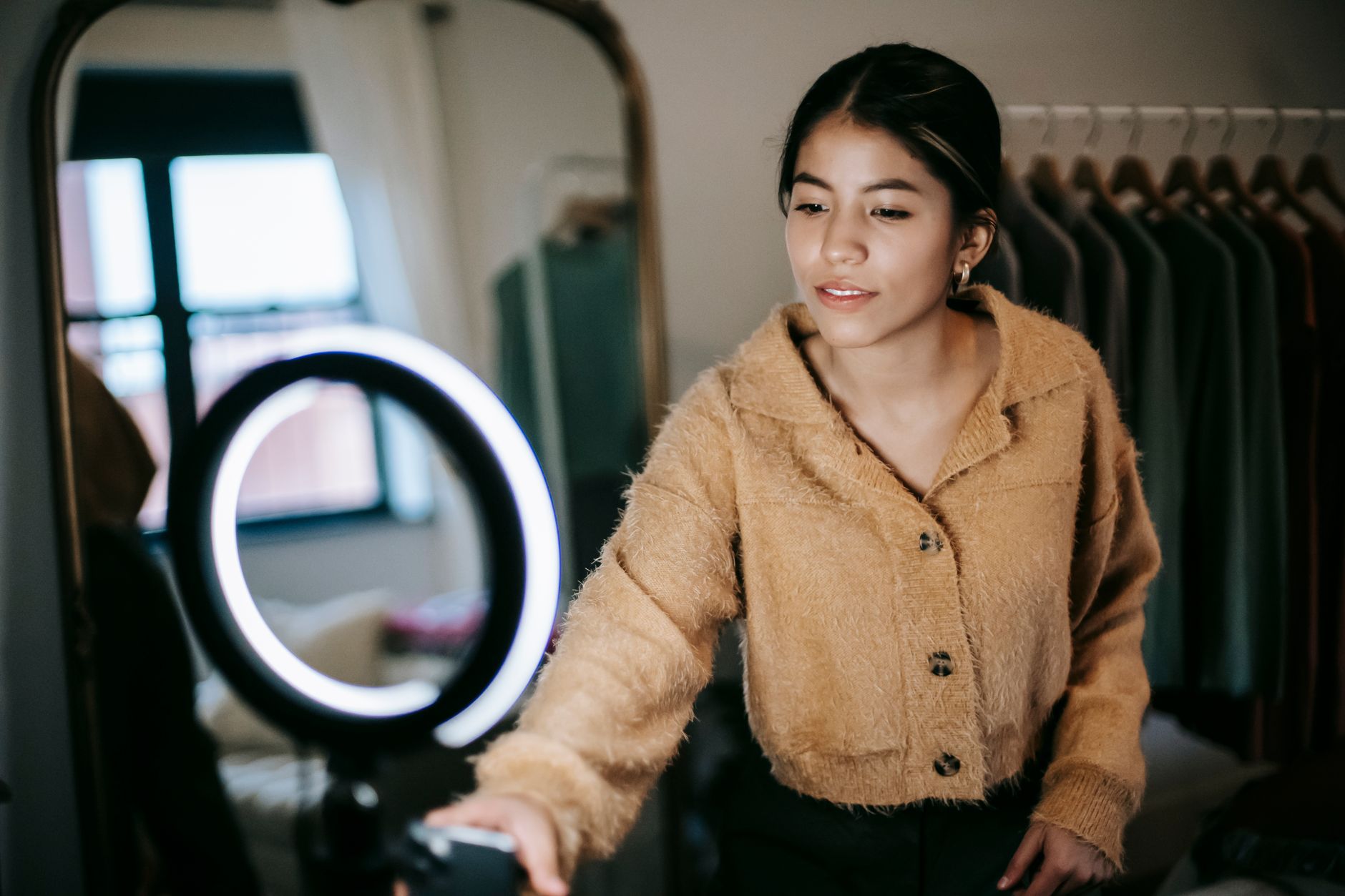
Thursday was for the part I had underestimated. Most briefs need basic editing: cuts to remove the pauses and subtitles so the video works with the sound off. Some need a revision before they are approved, which means a second pass once the brand has looked at your first. None of it needed specialist software in my practice runs, but it adds time that never shows up in the “just film a short video” version of the story.
Filming took twenty minutes. Making it look like I meant it took the rest of the evening.
Curious whether you would qualify?
Check if you qualifyWho it suits, and who might find it slow
By Friday the picture of a good fit was clearer. This suits people who are comfortable filming themselves or products with a phone and who want flexible, paid project work from home. A large following is not required. The phrase that matters is project work: you choose what to apply for, and between projects there is nothing to do. That flexibility is the appeal, and it is also why I would think of it as a way to supplement your income rather than as its foundation.
A good fit looks something like this:
- You do not mind talking to a phone camera, or showing a product in steady hands.
- You can follow a written brief, including the fussy details like length, framing and what to mention.
- You are happy to cut and caption your own clips, and to redo a section if a brand asks.
- You like the idea of applying for projects that suit you instead of being handed a schedule.
And who might find it slow? Anyone who wants a predictable figure every month, or who would rather not wait to hear whether an application has been accepted. That is not a criticism of the model, just a description of it.
The honest picture after a week
Here is where I landed, plainly.
- Acceptance is not automatic. Every application is reviewed, and busy categories can be waitlisted.
- Work depends on open briefs. Whether there is a brief for your niche, demographic and country decides what you can apply for.
- Pay is per project. There is no salary and no guaranteed number of briefs.
- Most briefs need basic editing. That means cuts and subtitles, and some briefs need a revision before approval.
None of this put me off. It changed what I would expect. I went in picturing a simple loop of filming and getting paid, and came out understanding it as a small freelance routine: apply, wait, film, edit, revise, hand in. For a second income from home, that is a reasonable shape, as long as you go in knowing it.
Quick answers before you learn more
No. A large following is not required. What the work asks for is comfort filming yourself or a product with a phone.
A creator profile with a bio and references that show the kind of content you make, and payout details saved in your account.
Per campaign. The brand names a budget and the creator accepts it or suggests their own price. The payout follows once the brand has accepted the content.
Not Nice operates internationally, and campaigns vary by brand and country. How many briefs are open to you depends on your niche, your demographic and your country.
A smart way to supplement your income? What I would do next
So, is it a smart way to supplement your income? After a week, my answer is that it is a reasonable thing to try if the work itself appeals: the filming, and the small craft of making a product look honest on camera. Treat any payment as something that arrives project by project, not as a wage. As a way to earn extra from home with no subscription or fixed costs, as Not Nice describes it, the structure is hard to fault. What I cannot tell you is what it would pay you, because that depends on the briefs open to you and the price you agree with the brand.
If you want to learn more, the next step is on Not Nice’s own site. You register there, see the four steps laid out, and find out whether there are campaigns open for your niche and country.
Ready to look at the extra income idea for yourself?
Learn more on Not Nice’s site